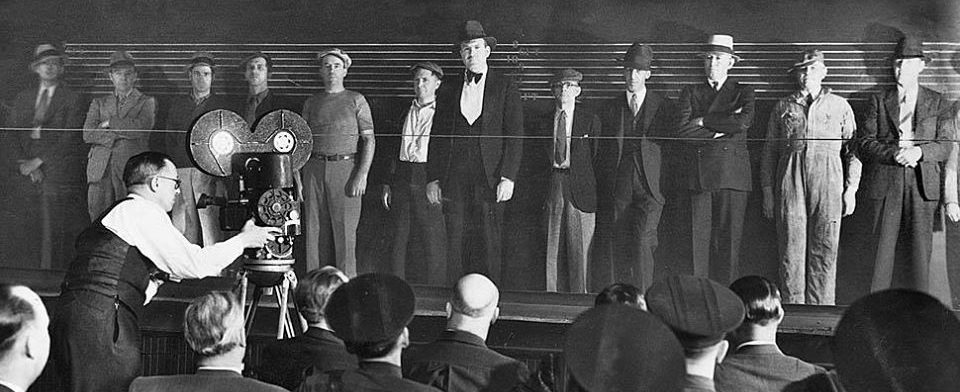
 As of 1926 Los Angeles could boast one more thing it had that New York had: a subway. Sure, it was only about a mile long, but it was a subway. It started from 417 S. Hill St.- far below the Pacific Electric Railway’s 12-story terminal designed by Schulte & Weaver, architects of the Biltmore Hotel. Continue reading
Author: jhgraham
Boxing Venues
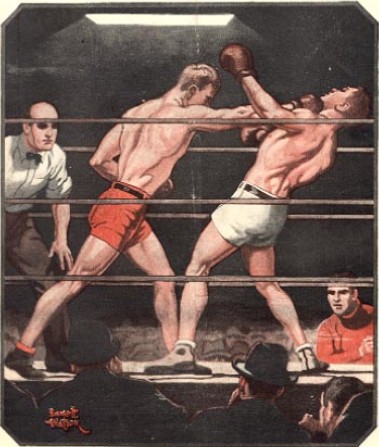 In 1926, Los Angeles was pugilistic paradise. California was just entering a new era of professional boxing. From 1914 to 1925, bouts had been limited to 4 rounds. Now 10-round boxing was legal. Cauliflower connoisseurs could find a match on somewhere in the L.A. area almost any night of the week. Continue reading
The Los Angeles Illustrated Daily News

It was a young paper, founded in 1923 by young Cornelius Vanderbilt, Jr. of New York. When it folded in the spring of 1926, the city’s newspaper titans William Randolph Hearst and Harry Chandler hoped the upstart tabloid would stay gone. But in August, a man with no newspaper experience dealt them a decisive “Boddy blow” and was soon taking on the city’s new Chief of Police. Continue reading
Barker Brothers
 “The history of Barker Brothers is the history of Los Angeles” the pioneer furniture store proclaimed when it moved into its new home in January 1926. It wasn’t mere advertising hyperbole. Continue reading
Jack Dempsey
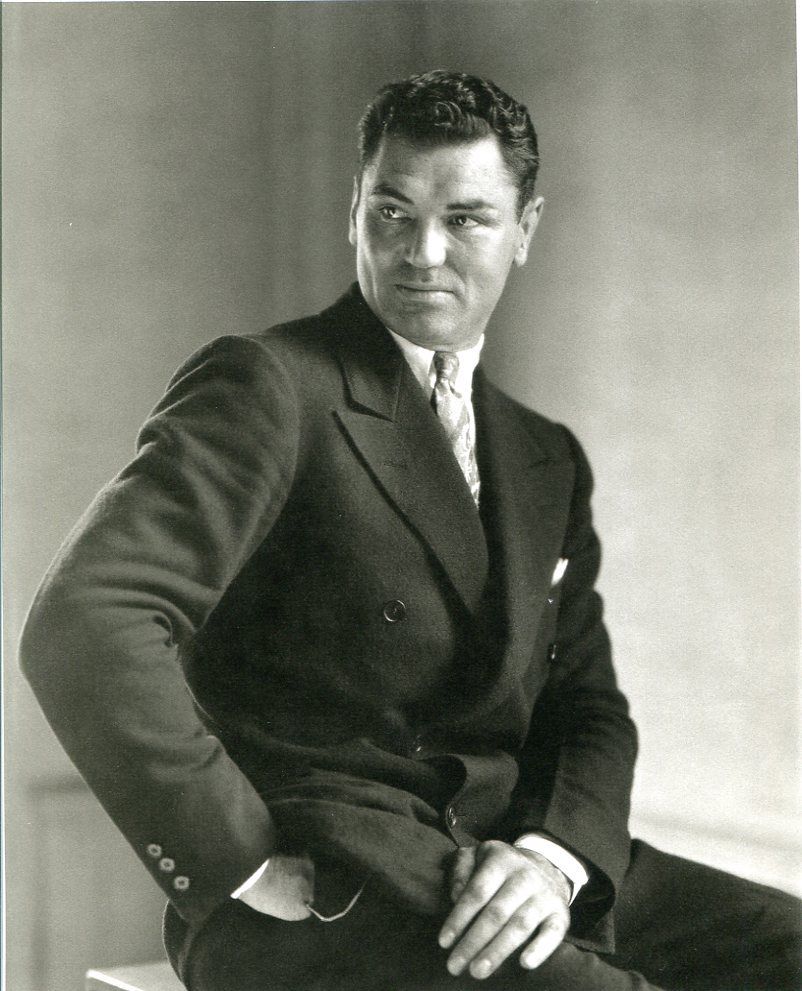
He started as the “Manassa Mauler” and became the Heavyweight Champion of the World- but for a little while, in the mid 1920s, Los Angles could claim Jack Dempsey as one of its own. Local fight fan gathered around their radios listened in disbelief on September 23, 1926 when the Champ lost his title to Gene Tunney in Philadelphia. Continue reading
The Long Beach Pike
 The Pike was an amusement zone that ran parallel to the Long Beach shoreline between the municipal pier at Pine Ave. to the east and Chestnut Place to the west. Silver Spray Pier, with its Jack Rabbit Racer roller coaster, extended out over the waves at the west end of The Pike. Continue reading
The Ambassador Hotel & the Cocoanut Grove
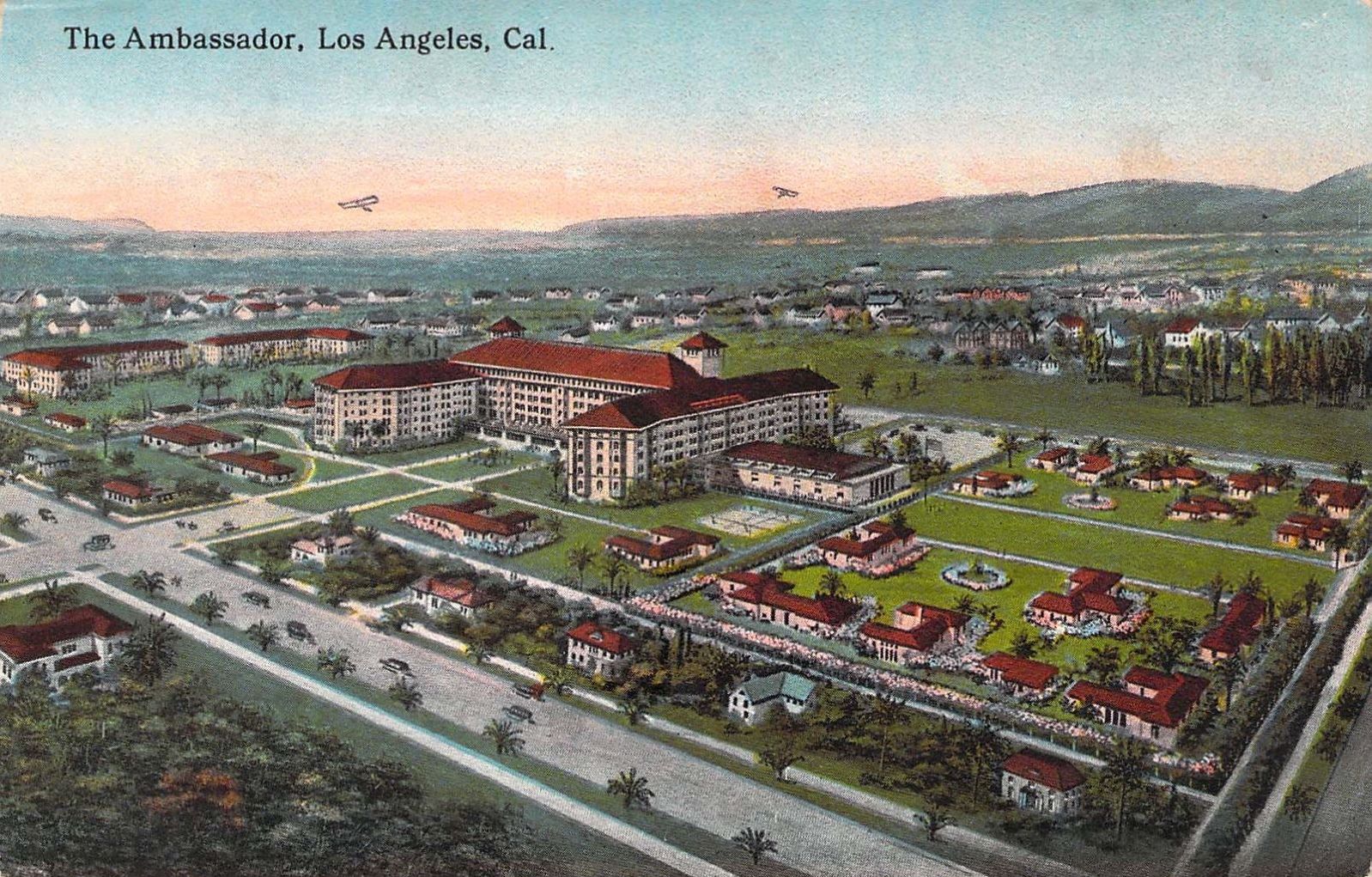 From the time the Ambassador Hotel opened on New Years’ Day, 1921 it was more than a hotel, it was a destination. Set amidst 21 acres of landscaped grounds, with its own tennis courts, golf course, restaurants, movie theater, post office, beauty salon, barber, shops and shoeshine stands, it was like a small city on its own. Its nightclub, The Cocoanut Grove, opened a few months after the hotel and Los Angeles and Hollywood society had been enjoying palmy nights there ever since. Continue reading
Sunset Park & Will Rogers
 Sunset Park in Beverly Hills was dedicated in 1915, the year after Beverly Hills was incorporated, and became the new city’s first municipal park. In 1926 humorist Will Rogers was named honorary mayor of Beverly Hills in a mock ceremony held across the street from the park that now bears his name Continue reading
Ye Bull Pen Inn
 The Ye Bull Penn Inn restaurant had several homes but in 1926 it was here- at 633 S. Hope Street, where it had been serving fish, chicken and charbroiled steaks in a rustic, masculine setting since 1920. Continue reading
Suzanne Lenglen
 The French called her La Divine, or The Goddess. Suzanne Lenglen dominated women’s tennis from 1919 to 1926, the year she turned professional. As well known for her fashion sense as her game, in December she came to Los Angeles with her former rival, Mary K. Browne, who had also just turned pro, to play an exhibition at the Olympic Auditorium. Continue reading
 J. H. Graham