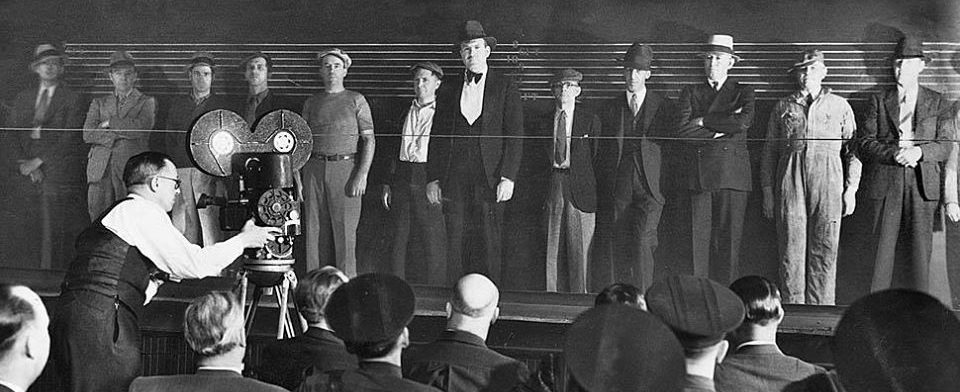

Florentine Gardens. LAPL photo.
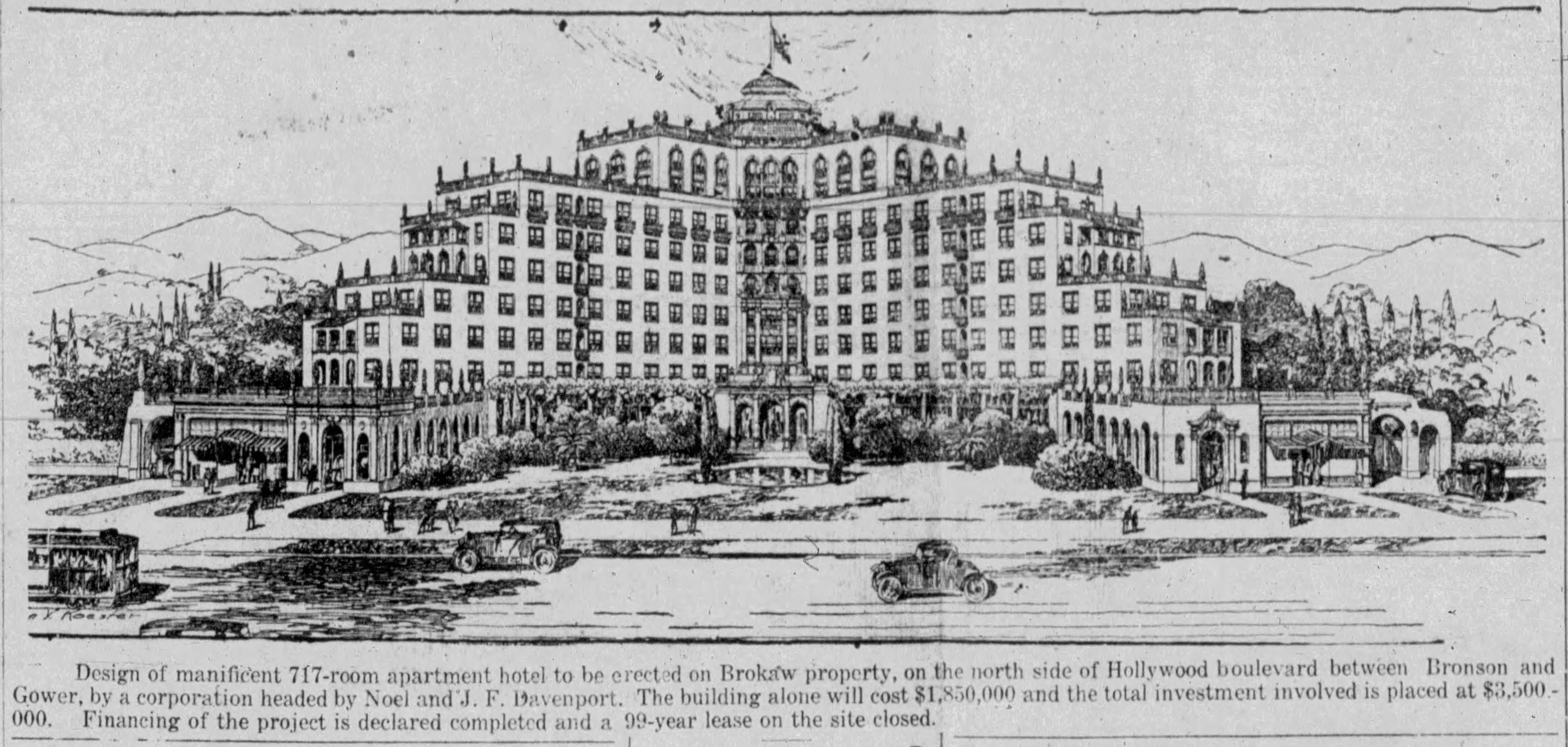
Florentine Gardens cabaret restaurant, at 5955 Hollywood Boulevard was the third of 4 buildings constructed on the former Brokaw ranch property.
The project was announced in the LA Times on November 28, 1937. The Times’ parent company, Times Mirror Company, owned the land on which it would be built, having acquired the Brokaw ranch parcel about 1932-1933. It granted a lease to Guido Braccini, Inc., who (with his unnamed investors) would build and operate the restaurant.
Braccini was born in Italy in 1879. He came to the USA in 1903 and settled in San Francisco. He’d sold Italian statuary in the ‘teens and later founded Lucca’s Italian restaurant. A second Lucca’s opened in Los Angeles in 1933. Braccini sold his interest in Lucca’s before embarking on the Florentine Gardens project. The new restaurant would seat 1000 persons, with private banquet rooms and a dance floor that could hold 200 couples. Plus it had 2 acres of free parking.
LA Times 11/28/1937
Architect Gordon B. Kaufmann designed the structure. It originally was to have open-air gardens. The finished design did have a faux-garden effect in the dining room, but the huge dance floor was covered with a neon-lit dome.

Gordon B. Kaufmann’s original design for Florentine Gardens. LA Times 11/28/1937.
The lease deal was still being finalized in late May 1938, but construction finally got underway and was substantially completed by late Fall 1938.

The Florentine Gardens under construction. Hollywood Citizen News 10/15/1938

Florentine Gardens nearing completion. LA Times 11/6/1938

The lobby.

The domed, neon-lit dance floor.
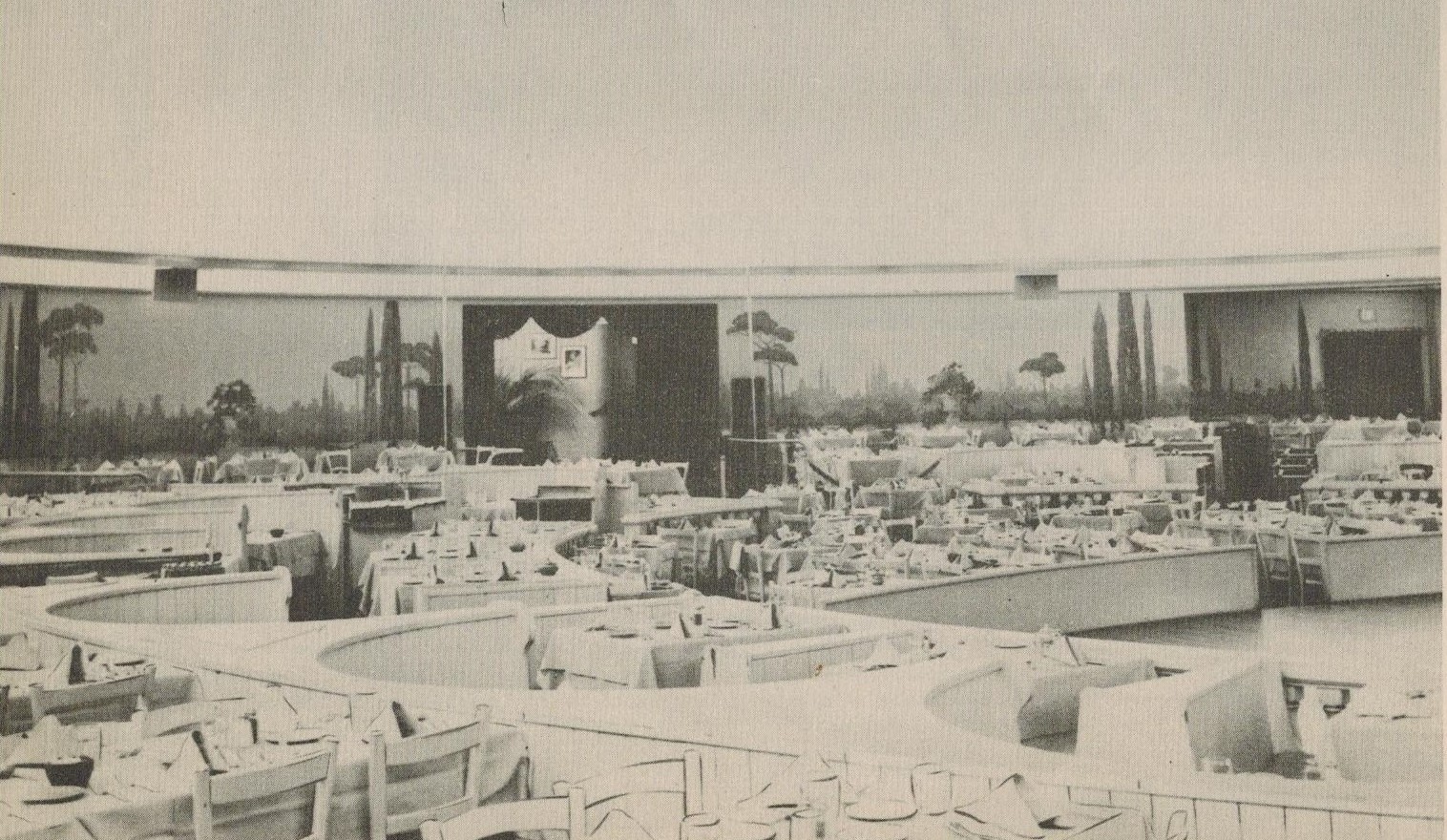
The dining room.
Florentine Gardens held its grand opening on December 28, 1938. It would be competing with- and often compared unfavorably to- Earl Carroll’s new cabaret restaurant at 6230 Sunset Boulevard, which had opened 2 days earlier on December 26.
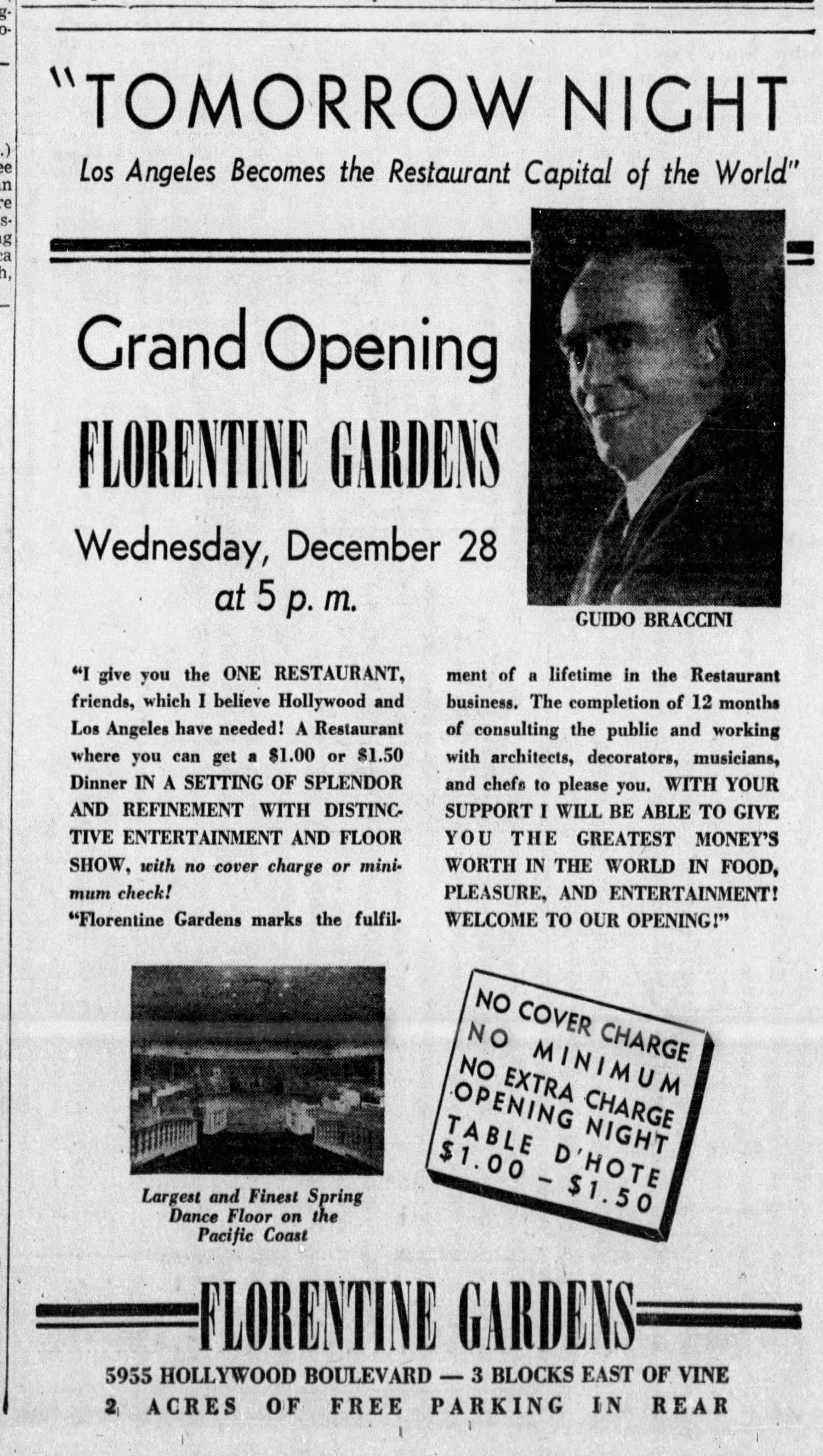
LA Times 12/27/1938
The new venue was popular for dining and dancing; its house band’s music aired over the radio nightly. But it was hard to fill those 1000 seats. On January 10, 1939, the restaurant began opening in the afternoons with “luncheon dansant” specials to try to draw the lunch-hour crowds.
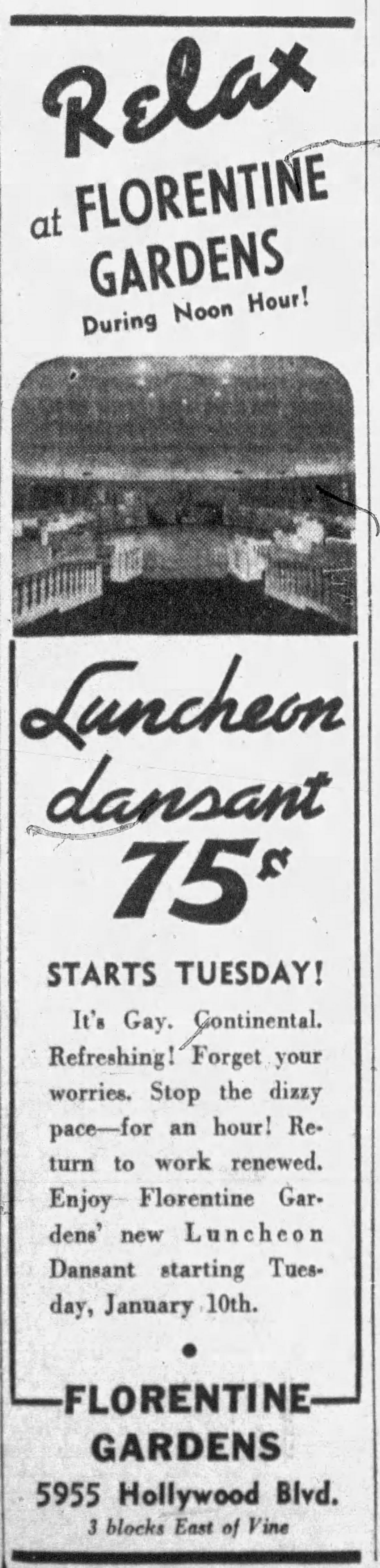
Hollywood Citizen News 1/9/1939

LA Times 2/4/1939
On February 15, 1939, dance instructor Maurice Kosloff staged a classical ballet floor show at the Florentine Gardens. In general, though, the venue tended to operate more as a restaurant with entertainment as a sideline. That would change in the new year.

LA Times 2/15/1939.
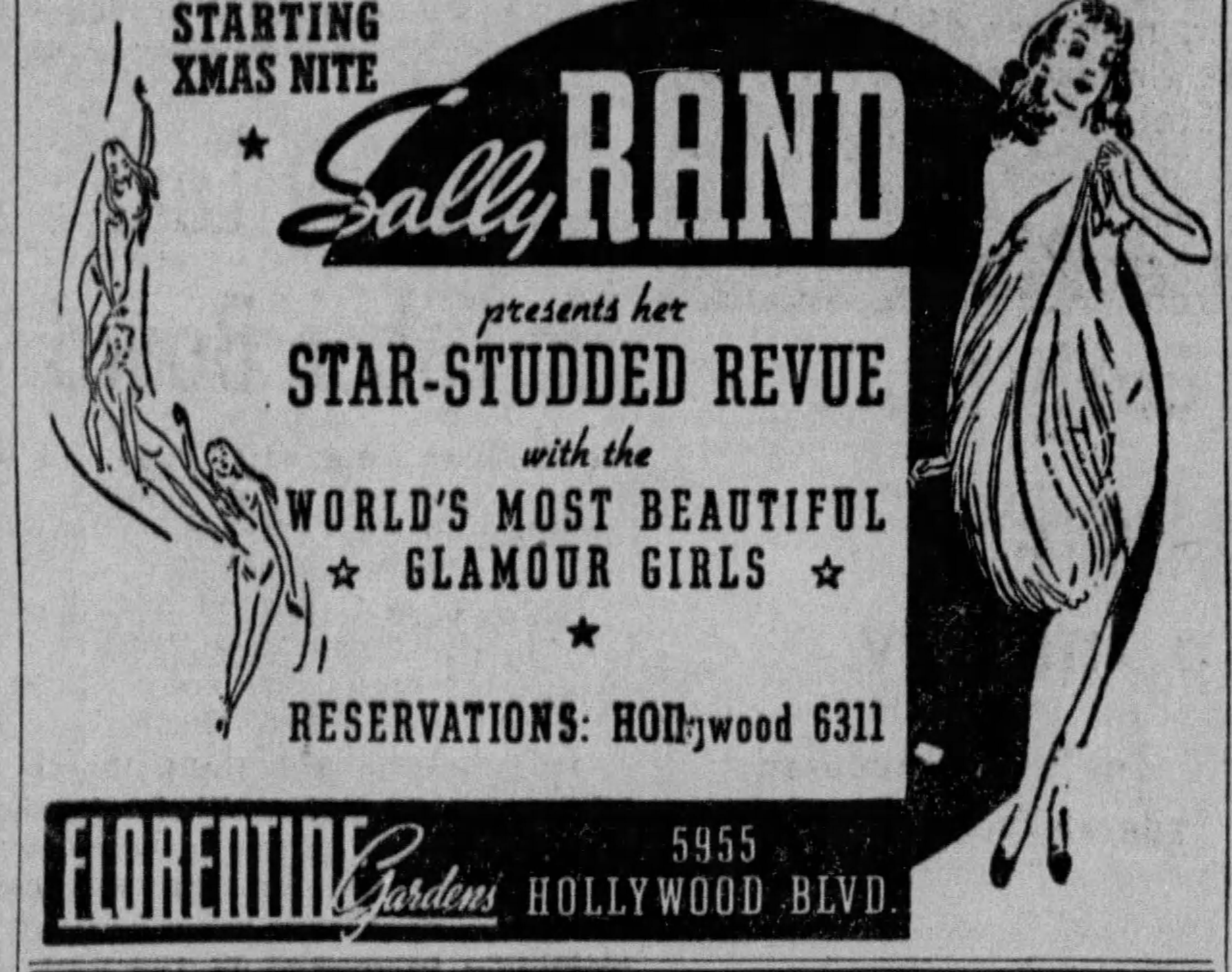
Famous fan dancer Sally Rand appeared at the Florentine Gardens between Christmas 1939 and New Years’ Day 1940. (She needed cash). LA Times 12/23/1939.
In his 1957 memoir, “Blondes, Brunettes and Bullets,” Nils T. Granlund, aka NTG or “Granny” to his friends, says that Florentine Gardens was drowning in red when he agreed to take over its entertainment wing in early 1940.
NTG came from Prohibition-era Broadway where among other things he helped pick out showgirls for Flo Ziegfeld and Earl Carroll. He would take credit for discovering Ruby Keeler, Joan Crawford and Barbara Stanwyck from those days. He’d worked with Texas Guinan as emcee at speakeasies like Frank Fay’s El Fay Club. The relationship between gangsters and nightclubs was described by NTG in his memoir:
“In those days, if you wanted to do business with the nightclubs you did your bargaining with gangsters; it was impossible to avoid contact with them. Anyone who had anything to do with show business in those places had to know gangsters, had to deal with the mob… Blondes, brunettes, redheads, male and female, stars and chorus girls and workers in the vineyards were all mixed up with the gangsters, whether they liked it or not. If you were in show business and you worked in a night club, the club was owned by a member of the fraternity, for only mobsters had the money to afford places big enough to have entertainment.”
There’s no reason to think this changed with the end of Prohibition. Gangsters having got a foothold were not likely to give up such a lucrative income source.

Nils T. Granlund (NTG) c. 1946.
Guido Braccini sold the Florentine Gardens circa early 1940. His name was closely associated with the advertising up to December 1939 but not after that. When NGT began staging its shows, his boss was Frank R. Bruni. Bruni served president and general director of the Gardens. Max Sisenwein was treasurer and general counsel. Harry Barg was secretary and assistant manager. Dave Gould, who had created dances for Fred Astaire and Ginger Rogers in the movies, was choreographer.

Announcing the arrival of Nils T. Granlund. LA Times 2/27/1940.
NTG’s first show for Florentine Gardens, on March 10, 1940, was called, fittingly, “Hello Hollywood.” He wasn’t shy about self promotion .
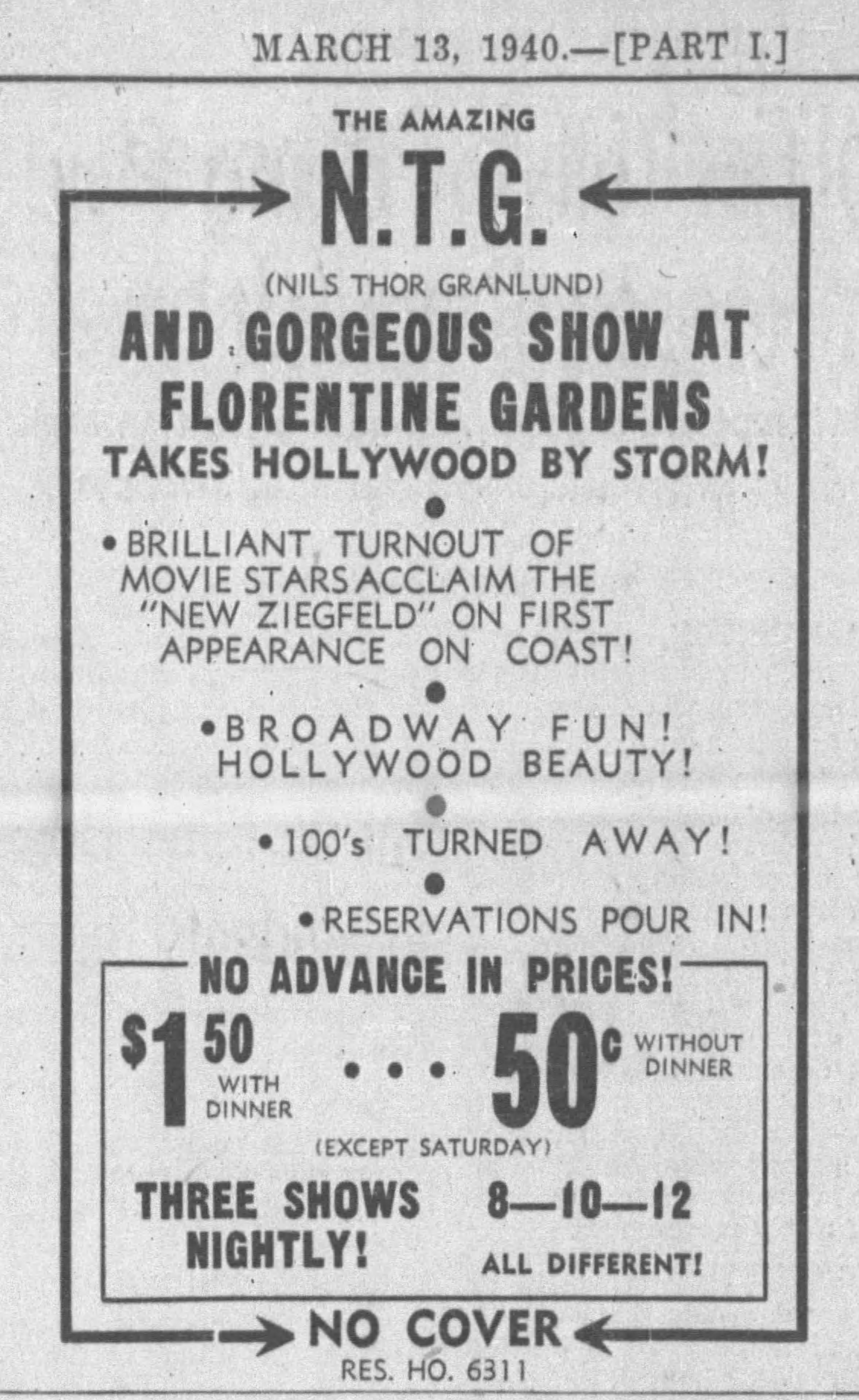
LA Times 3/13/1940

LA Times 3/24/1940

LA Times 3/31/1940

LA Times 4/21/1940

NTG and the new management put Florentine Gardens back in the black- so much so that just a few months after his arrival- in August 1940- the venue was able to embark on a $25,000 expansion- increasing its seating capacity from 1000 to 1500 and almost doubling the size of the dance floor. Sweeping staircases were added to either side of the orchestra stage and a balcony was added. The project also included removing columns from the dining room, and the booths were terraced, ensuring a good view of the floor from all angles.

LA Times 2/27/1940
NTG often booked artists he had known in the old Broadway days- like Sophie Tucker, Ted Lewis, and Harry Richman, and brought in newer discoveries like Ozzie Nelson.
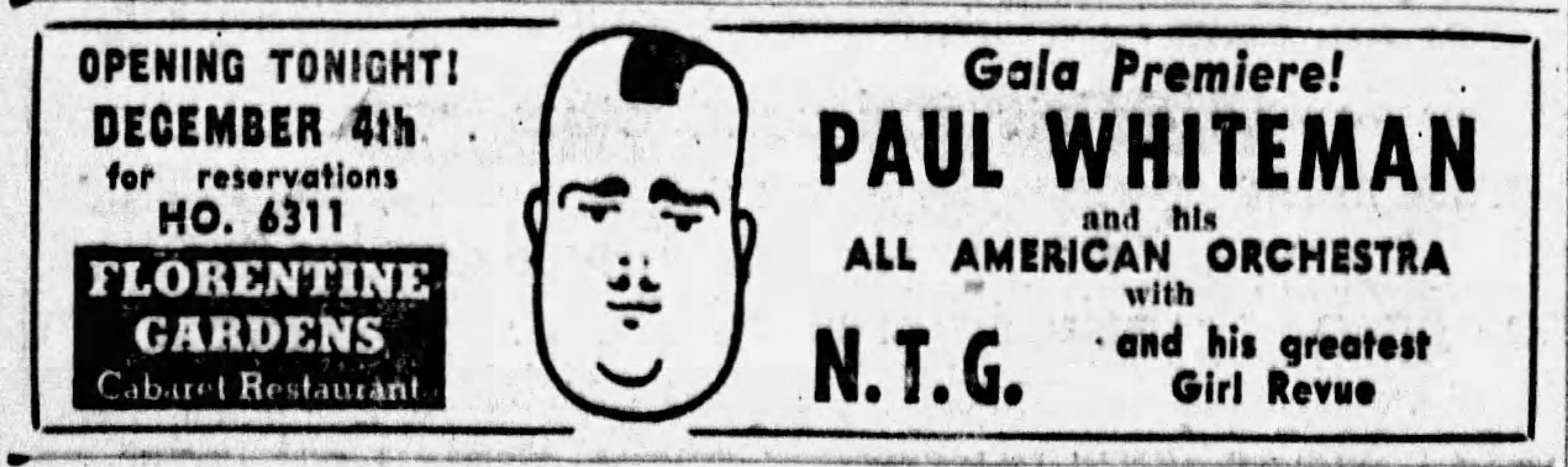
Celebs packed the audience for the opening of King of Jazz Paul Whiteman at Florentine Gardens December 4, 1941. Three days later, the US was at war. The war years were boom times for Gardens and other nightclubs.
The Zanzibar Room, Florentine Gardens’ re-vamped jungle-themed cocktail lounge, opened in January 1942. The Mills Brothers opened in the Zanzibar Room on July 29, 1942 while NGT’s “Spirit of Victory” review played in the main showroom.
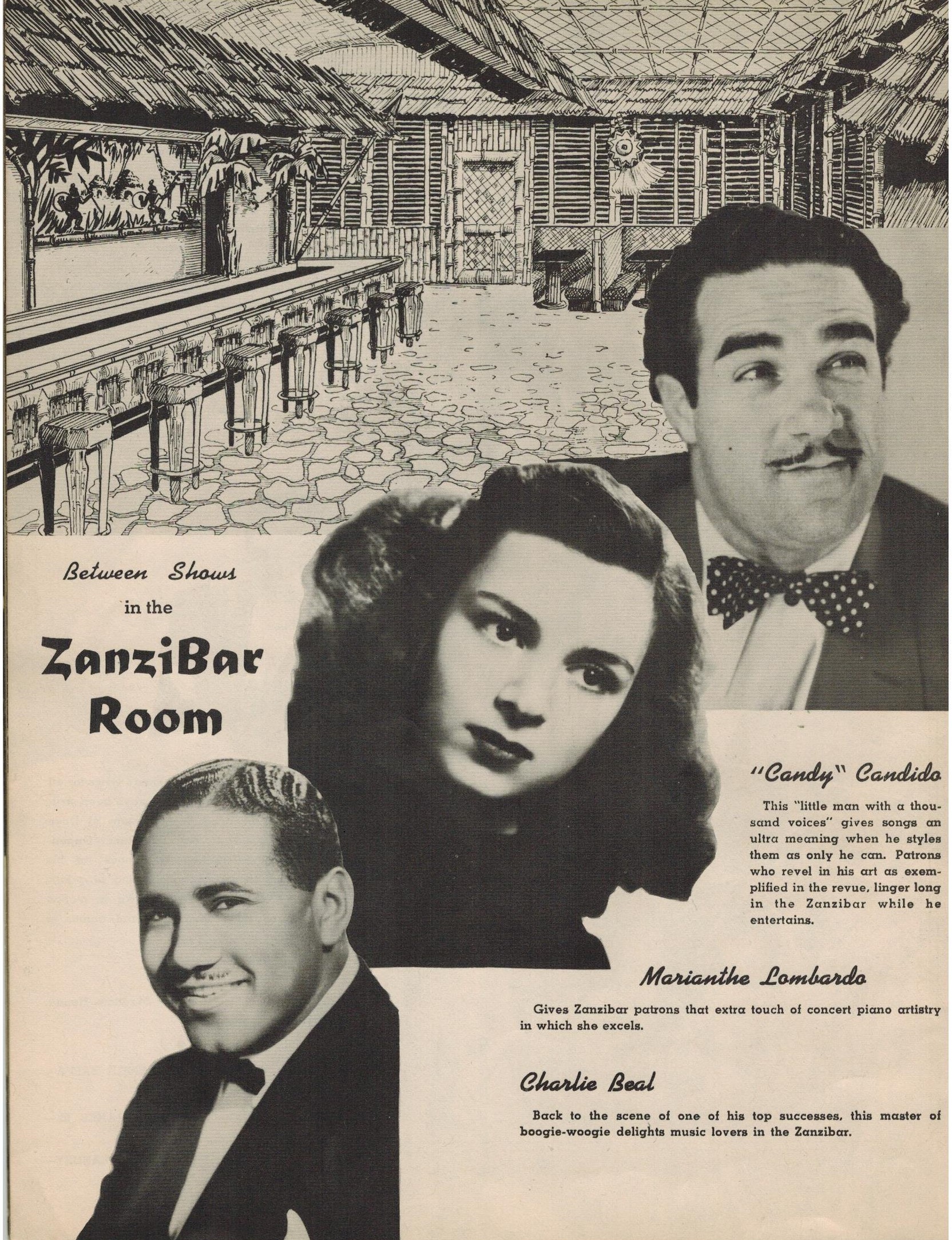
The Zanzibar Room cocktail lounge.

LA Times 7/26/1942

LA Daily News 7/29/1942
Chorus girls in NTG’s reviews at this time included Yvonne DeCarlo, who would soon go on to fame in the movies, and burlesque star Lili St. Cyr, who appeared under her real name: Marie Van Schaack.

Lili St. Cyr- as Marie Van Schaack appeared in a sketch called “Hollywood Canteen” in NTG’s “Petticoat Army review in October 1942. The famous Hollywood Canteen had just opened. LA Times 10/7/1942
In 1942, NTG also produced a film for Monogram Pictures, called “Rhythm Parade,” shot at Florentine Gardens and featuring its house orchestra Ted Fio Rito, its comedian “Candy” Candido, its chorus girls, the Mills Brothers, and NTG himself. The film opened at the Colony Theater down the street from Florentine Gardens on New Years’ Eve. In 1944, NGT (with the Florentine Garden girls) would also make an appearance in RKO’s “Goin’ to Town,” a film featuring radio characters Lum and Abner as well as Paramount’s “Take It Big.”
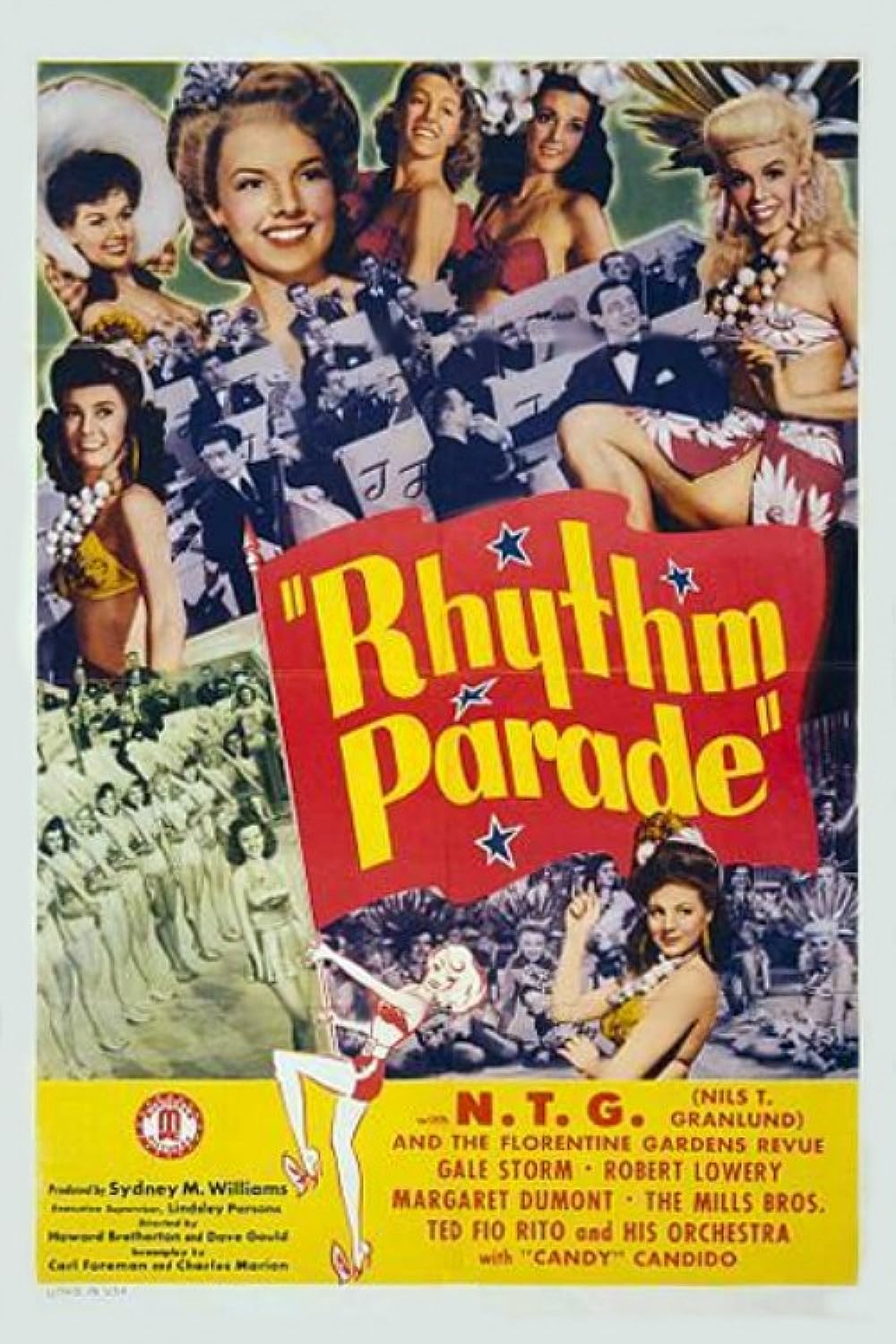

LA Daily News 12/31/1942

Florentine Gardens in March 1943 during the run of NGT’s “Thrills of 43” review with Ann Corio, Milton Britton, Pinky Tomlin, Paul Regan, Cy Landry and others.
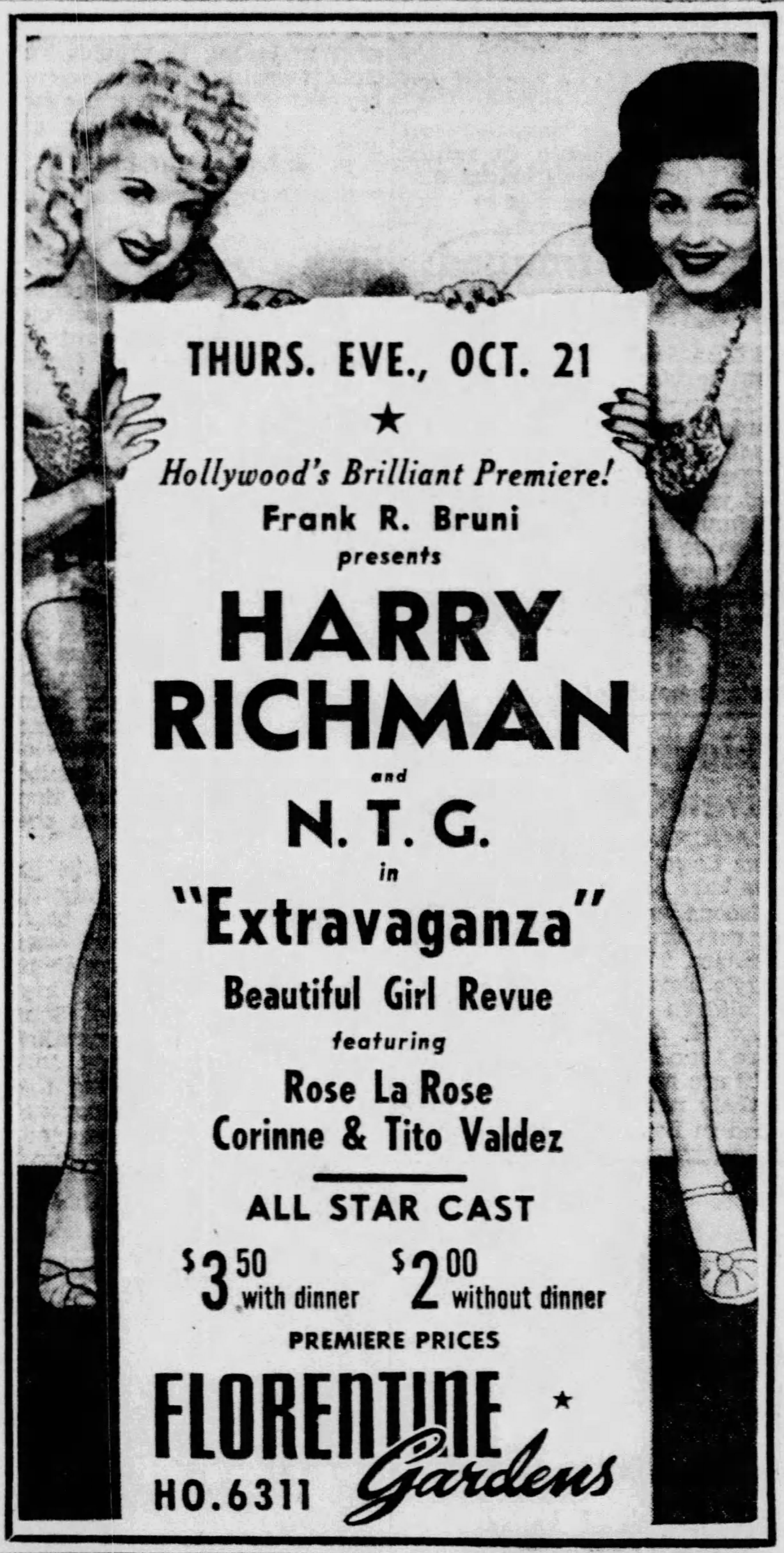
NTG often booked talented artists he had known in the old Broadway days like Sophie Tucker, Ted Lewis and Harry Richman. LA Times 10/20/1943
Though he’d saved the Florentine Gardens, the relationship between NTG and Bruni became strained. NTG still emcee’d for Florentine Gardens, but Bruni took over producing the reviews. Beginning with the “Swinging in Victory” review featuring the Mills Brothers, Bruni used comedian Eppy Pearson as MC while NTG toured with a group of Florentine Gardens beauties. When the group was due to appear in New York City in December 1945, it was widely rumored that NTG was opening a new club on Broadway- possibly started by NTG himself as a trial balloon.
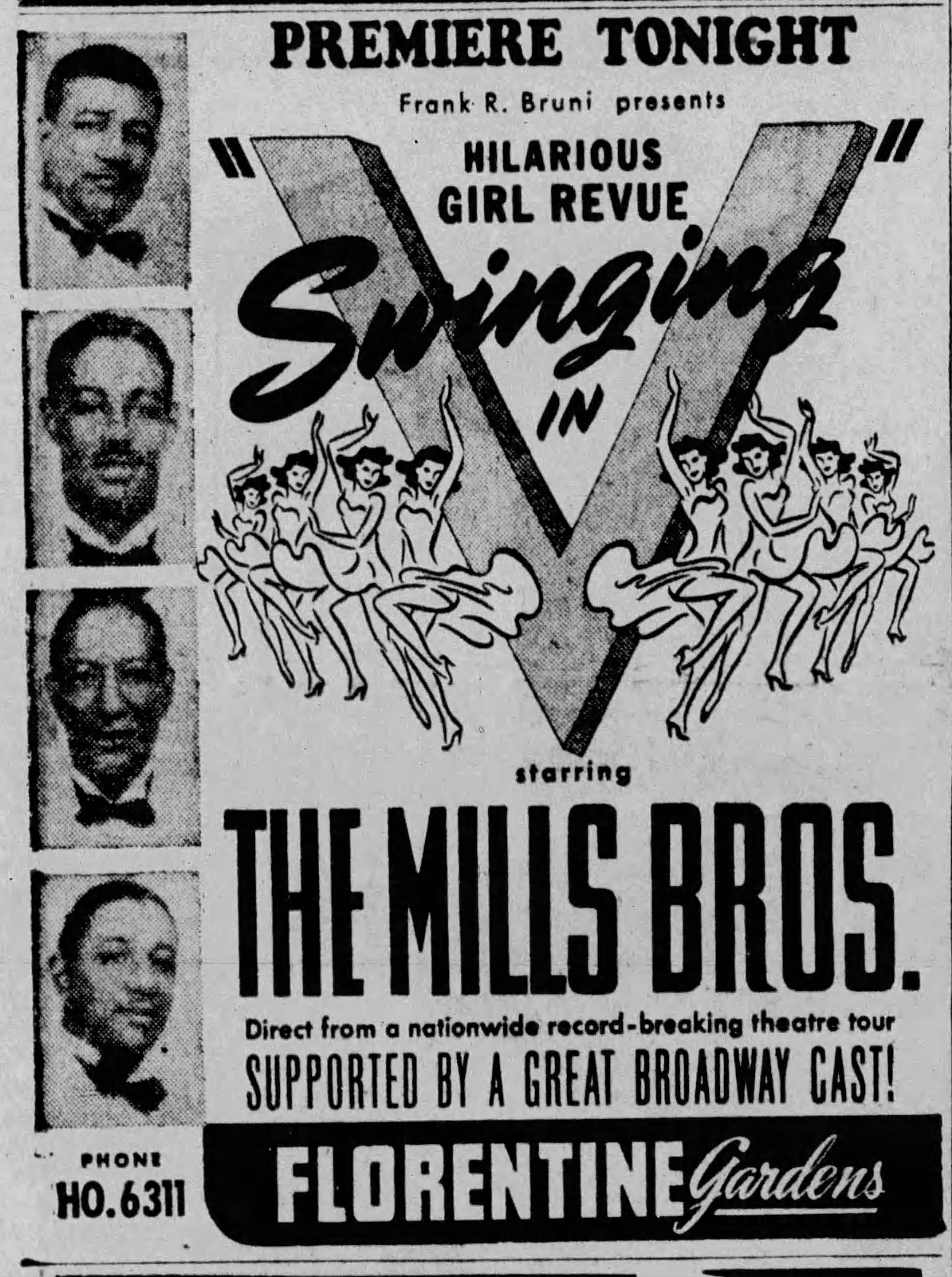
Having packed the Zanzibar room nightly in the Summer of ’42, the Mills Brothers made a triumphant return to the Florentine Gardens as headliners in 1945, having since recorded their smash hit, “Paper Doll.” Hollywood Citizen News 5/2/1945.
The NTG Florentine Gardens tour reached Chicago in January 1946. They appeared at Colosimo’s, where NTG had last performed 7 years earlier before coming to Hollywood. Unfortunately the Tribune’s critic Will Davidson rated the show Not Too Good.
Granlund responded by telling syndicated gossip columnist Lou Sobol that he had been offered a half interest in Colsimo’s plus a “huge salary” to run the show their but that he had “decided” to return to Hollywood.
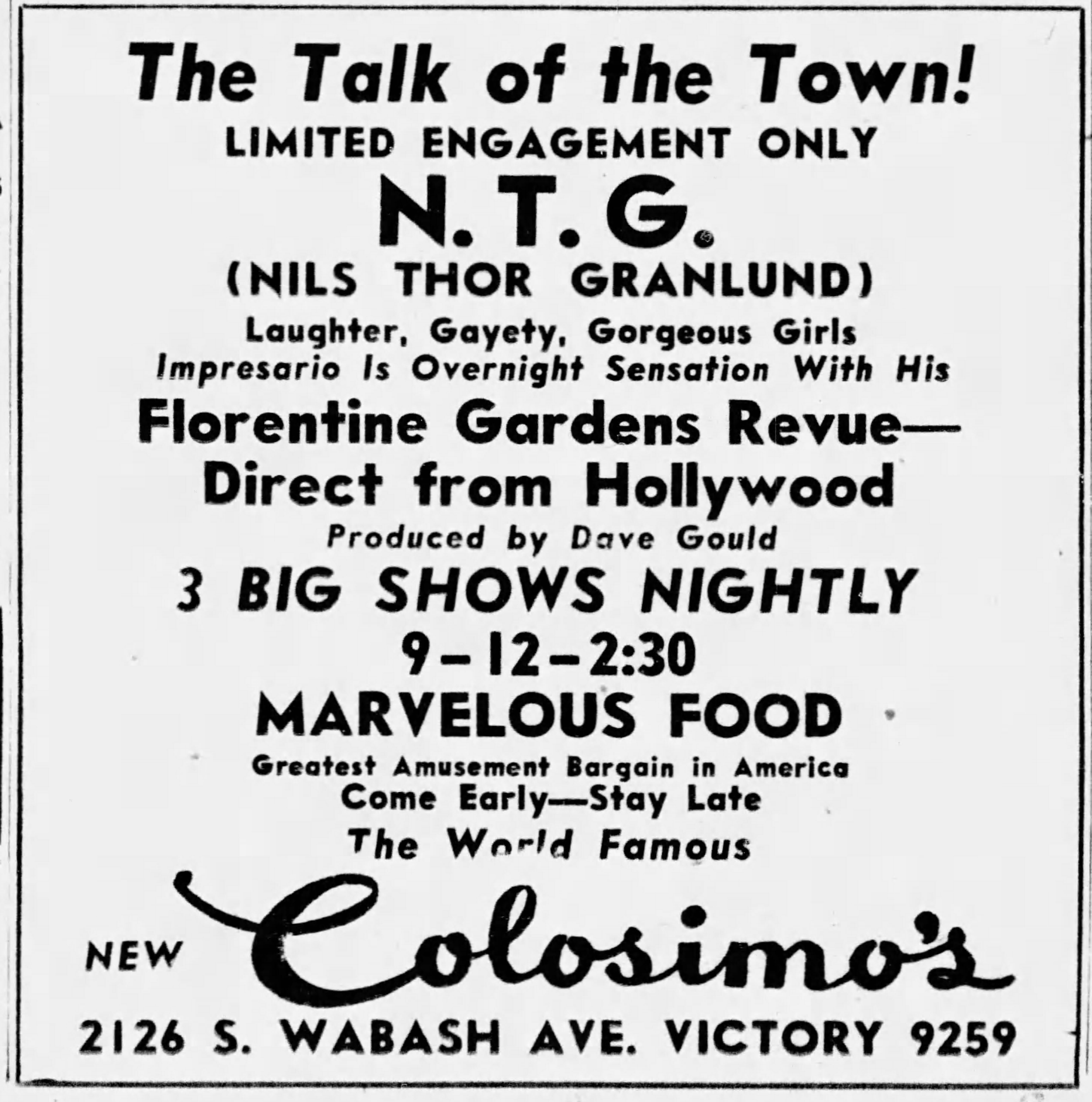
NTG on tour with the Florentine Gardens beauties 1945-1946. They appeared at the (new) Colosimo’s in Chicago in January 1946. Chicago Tribune 1/10/1946
In February 1946, it was announced that NTG would host a Monday-Friday daytime radio show, “You’re in the Act,” to be broadcast from the Florentine Gardens on CBS starting March 4, 1946. Panned by critics, it did not last long. NTG also resumed emcee duties for Bruni’s Florentine Gardens’ reviews.
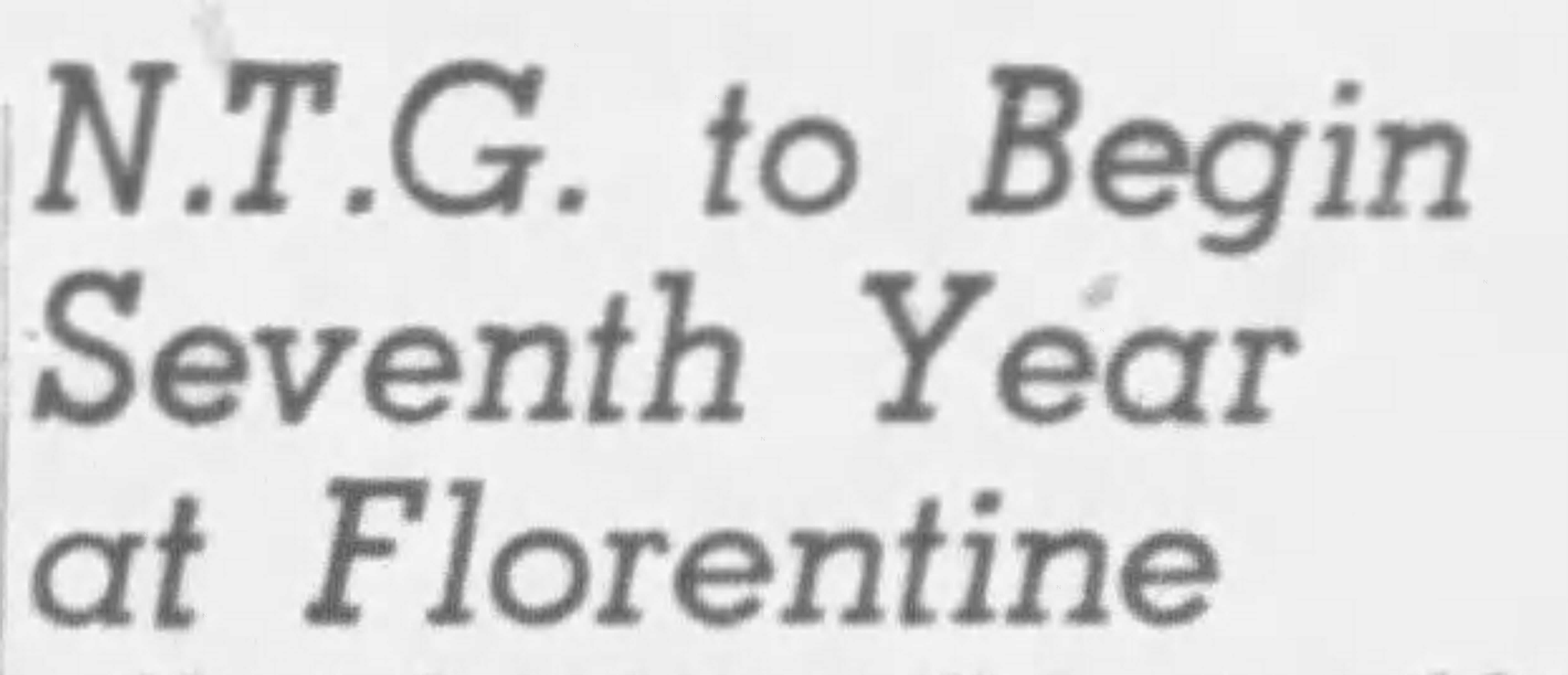
LA Times 3/7/1946

Actress-model Jean Spangler appeared in the Pinky Lee comedy review “Laffs with Pinky,” which opened October 14, 1946 but does not appear to have been a regular Florentine Gardens dancer. She went missing in October 1949, the presumed victim of foul play. Valley Times 11/29/1946
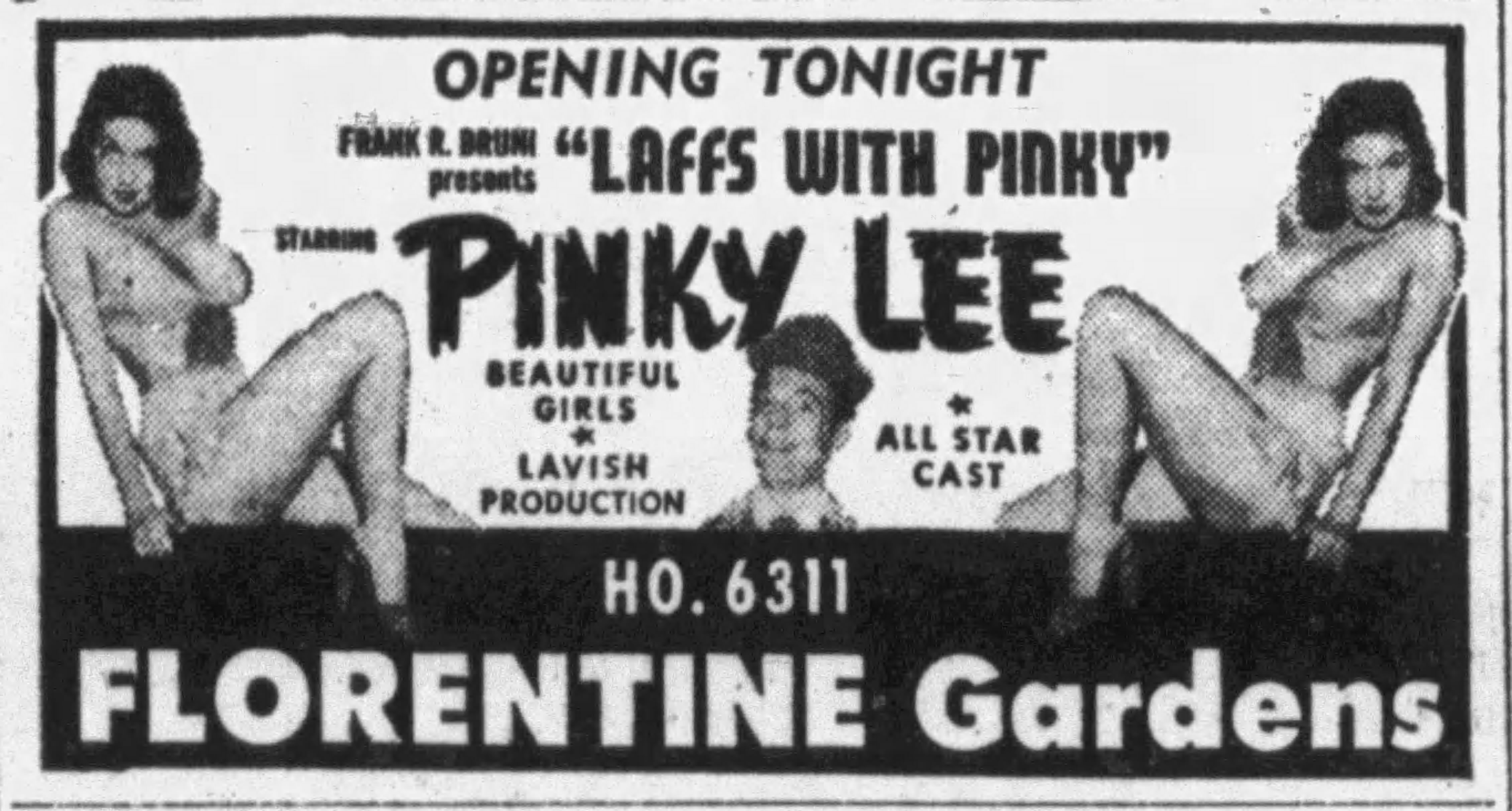
LA Daily News 10/14/1946
In November 1946, NTG did return to Broadway, staging shows at the Greenwich Inn. In March 1947 he moved to the new Rio Cabana Club at Broadway and 52nd. John Chaplin of the New York Daily News noted that his jokes did not appear to have changed in 20 years. He returned to emceeing at Bruni’s Florentine Gardens. His old pal and fan favorite Sophie Tucker opened on September 8, 1947 and ran through November 1947. When she left, NTG was again sidelined.

LA Daily News 8/25/1947
On November 14, 1947, gossip columnist May Mann reported that NTG and Mark Hansen were going to open a 12-story hotel on Hollywood Boulevard near Gower, with a cabaret on the roof. Construction was to begin “shortly.” This project never happened.
Mark Hansen was a theater owner whose holding included the Marcal Theater just up the street at 6025 Hollywood Boulevard near Glower. There’s no reason to think he had any connection to the Florentine Gardens at this date.

Hollywood Citizen News 11/14/1947

Florentine Gardens in late December 1947-early January 1948 during Beatrice Kay’s run, which opened December 29, 1947. “Christmas Eve” at the Hawaii Theater next door opened December 31, 1947. California State Library photo.
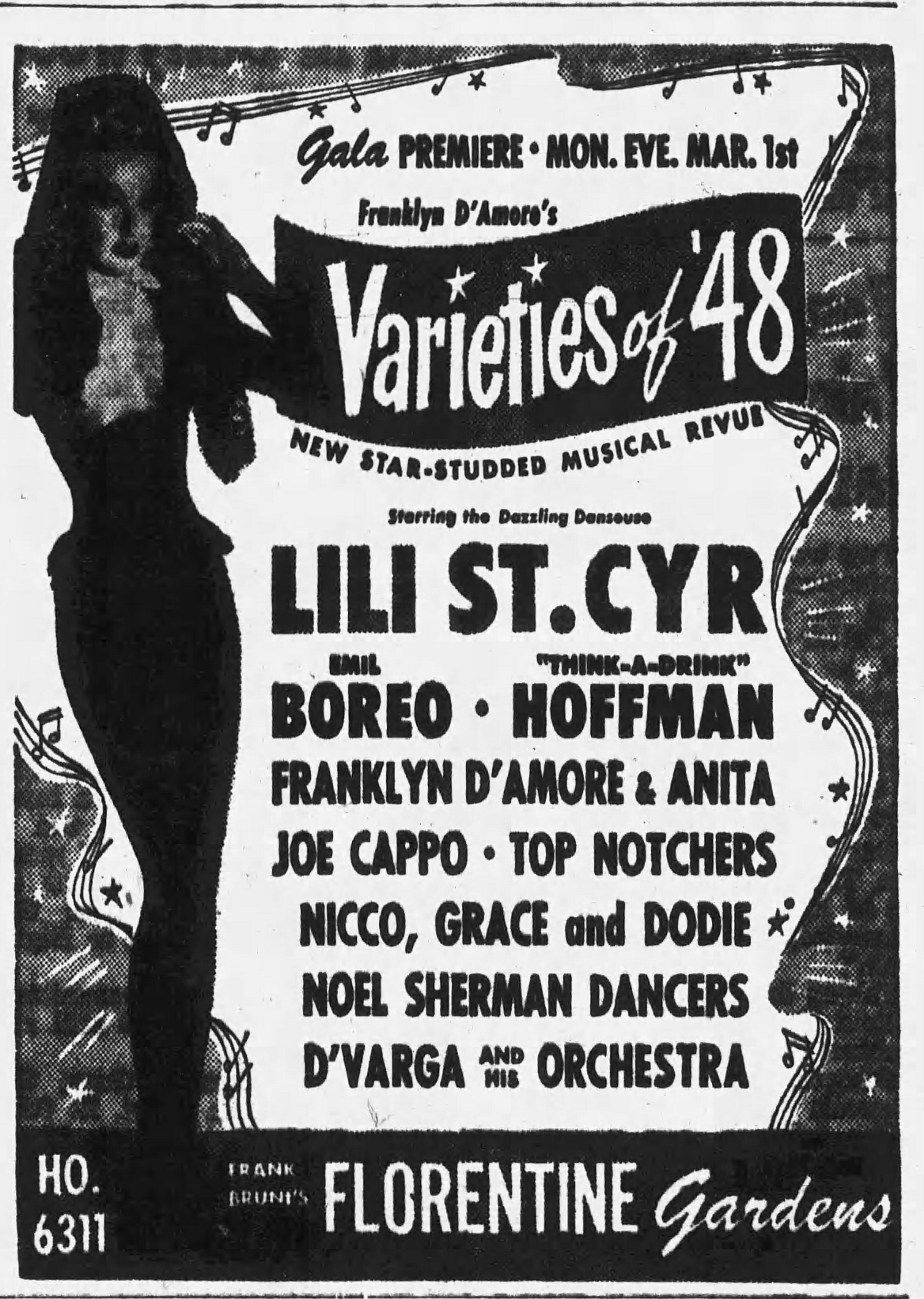
Lili St. Cyr made her return to the Florentine Gardens as a headliner on March 1, 1948. The show included “Think a Drink Hoffman” and Paul Valentine- St. Cyr’s husband at this time. Hollywood Citizen News 2/28/1948
By 1948, nightclubs, like movie theaters, were experiencing a significant drop in patronage since the boom of the war years.
NTG returned to the Florentine Gardens in March 1948 as emcee for headliners The Ink Spots. Critics, however, now found his audience participation antics, in which businessmen would be called upon to take off their ties, roll up their pant legs and join the beauties on stage, rather stale.
On May 13, 1948, Frank Bruni announced that Florentine Gardens would close after Ethel Waters’ engagement ended on May 17, 1948 and undergo a remodeling to become a legitimate theater, including turning the bandstand into a full stage. Further, he said, it would be known as the Florentine Theater Restaurant beginning with the opening of George White’s Scandals on June 3, 1948.

George White Scandals opened at the newly renamed “Florentine Theater Restaurant” on June 3, 1948. LA Times 6/3/1948.
The Florentine Gardens, or Florentine Theater Restaurant, was shuttered only two days after the opening. Trade publication Variety reported in August 1948 that Bruni’s debts were said to be in the $100,000 range. The corporate owners- Florgar, Inc. headed by architect S. Charles Lee, were supposedly considering operating it themselves. Lou Walters, of New York’s Latin Quarter nightclub, was also reportedly interested in taking it over. In September, 1948, the equipment and fixtures were offered up in a bankruptcy sale.

LA Times 9/19/1948
In October 1948, gossip writer Edith Gwynn reported that NTG (who had lately been staging reviews for Zucca’s Opera House) wanted to reopen the Florentine Gardens. On November 29, 1948 local papers reported that the new owner was Harold Stanley, and it would reopen with a new look on Christmas Eve. The opening date was later pushed back to mid-January. It finally reopened, with a new name as well, on February 7, 1949 as the Cotton Club with Count Basie headlining.

Hollywood Citizen News 2/1/1949
Even the great Count Basie couldn’t keep the doors open, however, and 5955 Hollywood Boulevard was soon shuttered again. It was offered for sale or lease in April 1949.

LA Times 4/10/1949
On June 28, 1949, it was reported that the “new Florentine Gardens” would reopen July 1 under the management of Mark M. Hansen and Eddie Allen. Hansen was said to be a part owner as well; if so, the actual owner was still Flogar, Inc. The first show under Hansen would be a Gay 90s review, Grandfather’s Follies. Jimmy Grier, an old favorite from the Cocoanut Grove in the early ’30s, would provide dance music. Critics generally praised the show, but didn’t rave.

The New LA Mirror 7/9/1949
Two weeks after the Florentine Gardens reopened, Mark Hansen was shot in his home at 6024 Carlos Avenue, Hollywood, by a young woman named Lola Titus, who had recently worked as a taxi dancer at LA’s Roseland Roof and Dreamland Ballroom. Hansen survived. He told police that Titus was upset that he wouldn’t put her in his show at the Florentine Gardens. Titus’ explanation of a lovers’ tiff was more plausible.
Hansen had occupied this address, which was near his offices in the Marcal Theater building, since at least 1936- originally with his wife and two daughters- before the Florentine Gardens was even built, let alone any association between him and the nightclub.
Titus was convicted of assault with a deadly weapon in September 1949. She was deemed insane after the trial (as it worked then, defendants were tried first then assessed for competency) and sent to Patton State Hospital.

Lola Titus in court, 1949.
A new review, Follies Bizarre” opened August 8, 1949. On September 30, 1949, the venue ushered in a “vaudeville police” with the “Florentine Follies.”

LA Mirror 8/25/1949
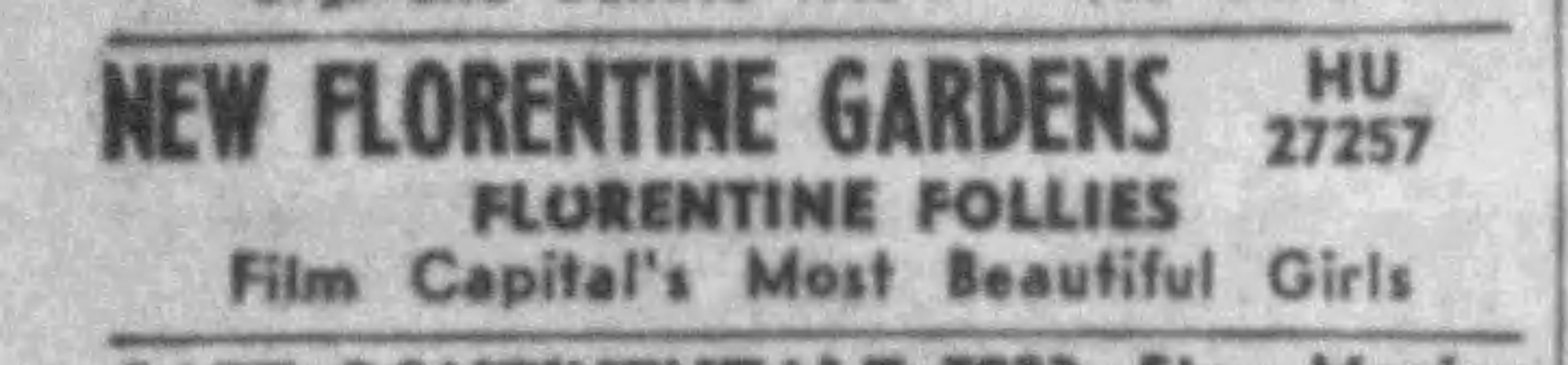
LA Daily News 11/19/1949
Florentine Gardens wound down after the new year and does not appear to have been open regularly, though special banquet events would still be held there.
On February 20, 1950, Zucca’s Opera House burned down just before its new review, “Virgin Island,” was to open. The show must go on, however; Hansen and Zucca struck a deal and on February 24, it opened for a show to benefit the actors at the Florentine Gardens, renamed Florentine Gardens Opera House. The show then moved to the Paddock Club, a former ballroom on Riverside Drive.

LA Mirror 2/24/1950
In April 1950, Paul V. Coates of the LA Times reported that NTG was dickering to buy the Florentine Gardens, but that did not happen. Instead, on August 30, 1950, the Hollywood Citizen News reported that the Hollywood Canteen Foundation was buying the Florentine Gardens building and equipment to reactivate the Hollywood Canteen in early 1951 under the direction once again of Bette Davis and John Garfield.
The famous Hollywood Canteen for servicemen’s entertainment had operated on Cahuenga Boulevard from October 1943 to November 1945. (My post on the Canteen can be found here). The Canteen had earned $500,000 by selling the rights to use its name to Warner Brothers for the “Hollywood Canteen” film; the Foundation had been formed to manage this money and with the US now in the Korean War a new Canteen seemed like the thing to do with it. S. Charles Lee, as president of the building’s owner (Still Flogar, Inc), officially revealed the plans for the building’s purchase on November 2, 1950. There were not yet enough service persons in Los Angeles at the time to warrant an immediate opening, however. The Canteen would use the Gardens as a nightclub and rented out for special events until it reopened the new Hollywood Canteen- if it ever did. On December 15, 1950, the Police Commission granted the Hollywood Canteen a public dance hall/cafe permit.

LA Times 11/2/1950
Bette Davis herself announced in March 6, 1951 that the Hollywood Canteen would reopen at 5955 Hollywood Boulevard on July 4, 1951. The opening was pushed back to Labor Day “or thereafter.” It still had not opened by the end of 1951 but was used for other events.

The Hollywood Canteen Foundation, owners of the Florentine Gardens, rented the building for special events while planning to reopen it as the new Hollywood Canteen. Hollywood Citizen News 4/3/1952.
The building never did reopen as the Hollywood Canteen.
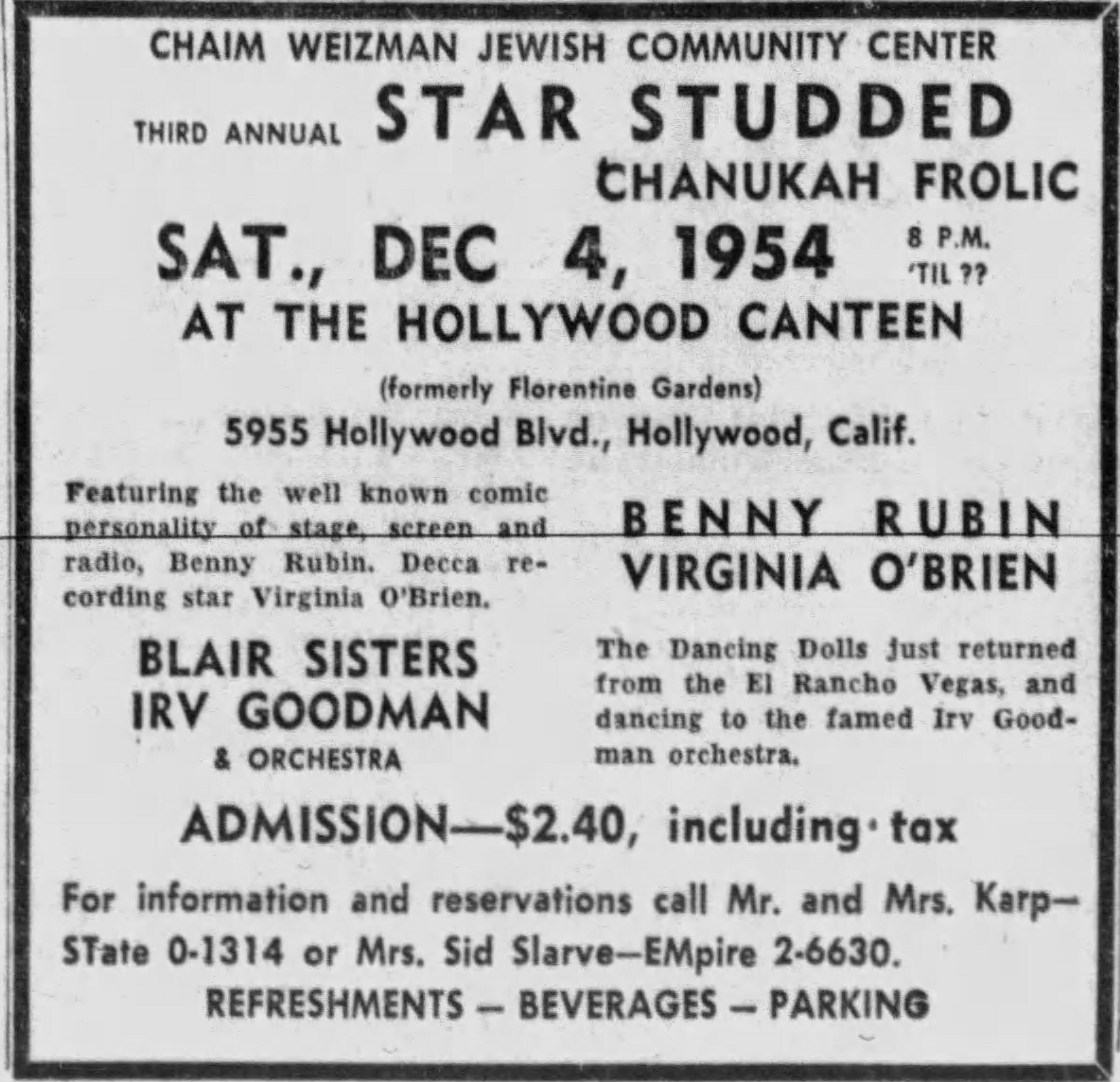
The Valley Times 12/4/1954
On July 8, 1955, completely revamped for office use, the building became the headquarters of the Retail Clerks Union.

Hollywood Citizen News 7/8/1955
The building would go on to have other uses, including a dance club. In 2005, the City proposed building a new fire station on the site. Owner Kenneth MacKenzie refused to sell, wishing to preserve the building. The city suggested that the facade could be incorporated into the design. The building was ultimately preserved and is extant today as a performance venue, still known as Florentine Gardens.
Notes:
Guido Braccini was threatened with deportation in April 1940, accused of violating the terms of his naturalized citizenship. Ultimately it was dropped. In June 1942 he opened the Louisiana restaurant at 5665 Wilshire Boulevard (formerly the Wilshire Bowl), which became Slapsie Maxie’s in November 1943. In 1950 he opened a new Lucca’s restaurant in Richmond. He died in 1960.
NTG continued to produce shows and hosted talent contest shows on television in the early 1950s. He wrote his memoir, published in February 1957 and was planning to stage shows for the Flamingo Hotel, Las Vegas. He was killed in Las Vegas on April 21, 1957 when a taxi he was riding in was hit by another vehicle.
Lola Titus would tell police her real name was Beverly Alice Bennett but Lola Titus was the name she was born with. Newspapers cited her age as anywhere from 23 to 25; she was actually only 21; her correct birthdate was March 15, 1928. She died at Patton State Hospital in November 1958, age 30, and her body was shipped back to Pennsylvania where her mother and sister still lived; her father died in July 1949 less than two weeks after the Hansen shooting.


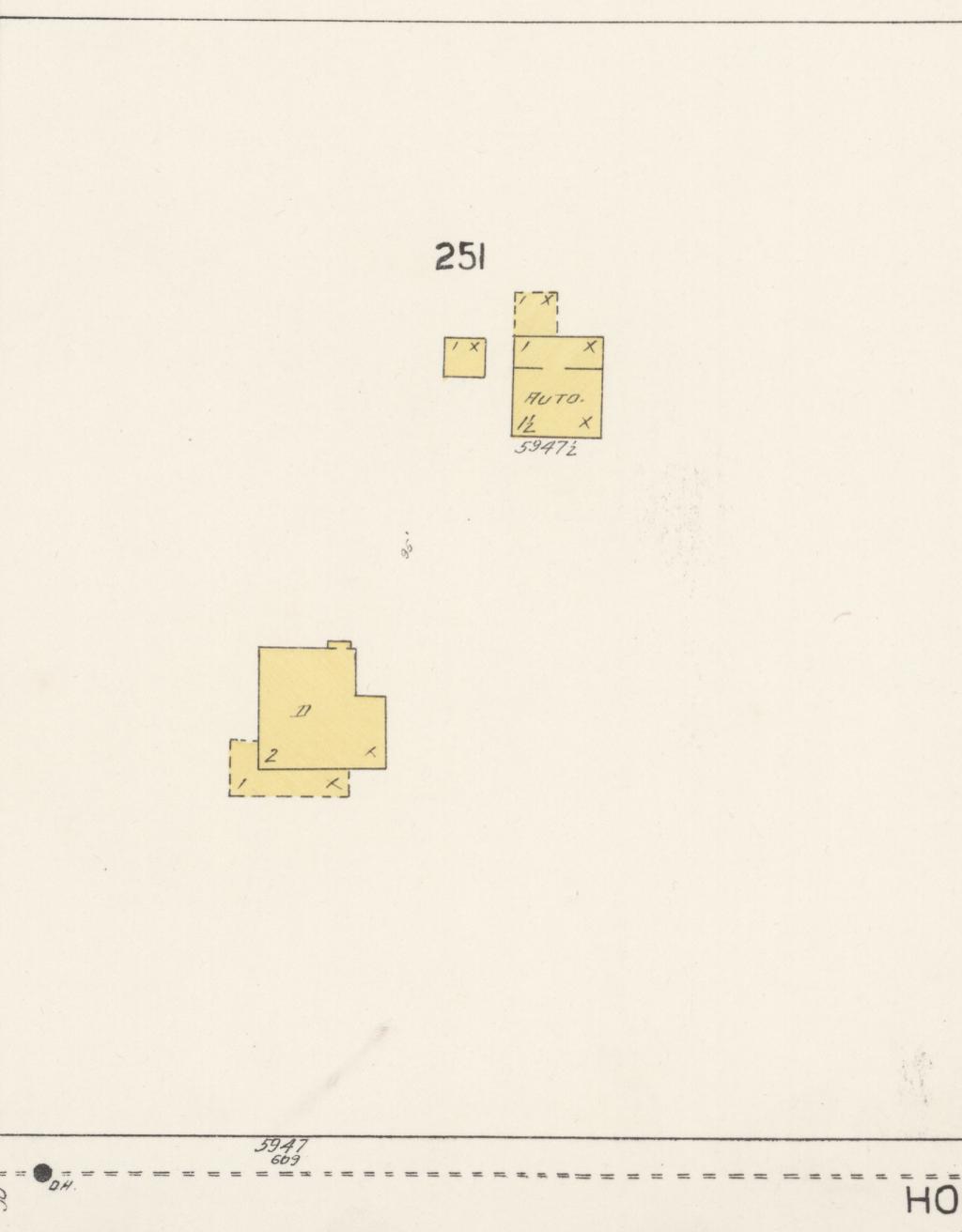
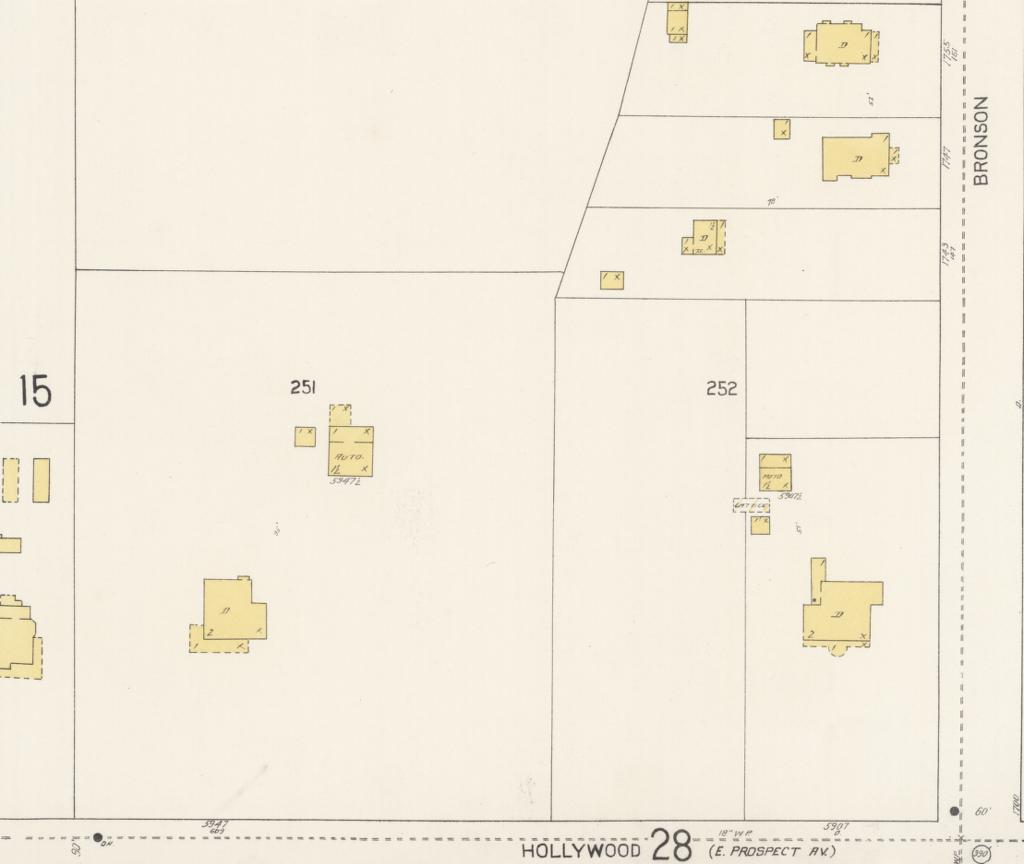









 J. H. Graham